Statistical Learning with Python

- Description
- Curriculum
- Reviews
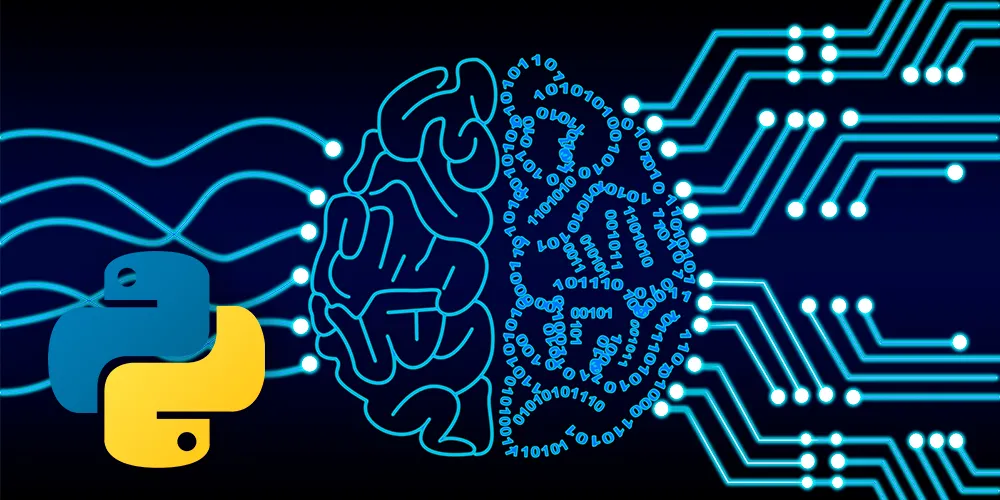
Statistical Learning with Python is an applied course that introduces students to statistical methods and machine learning techniques for analyzing data and building predictive models using Python. The course focuses on understanding the statistical foundations behind learning algorithms and implementing them using modern Python libraries.
Students learn how to explore, analyze, and model data using probability theory, statistical inference, and supervised and unsupervised learning techniques. Emphasis is placed on practical implementation, model evaluation, and interpretation of results using real-world datasets.
Course Objectives
-
Understand the fundamentals of statistical learning
-
Apply statistical methods to data analysis problems
-
Implement learning algorithms using Python
-
Interpret and evaluate predictive models
-
Develop data-driven decision-making skills
Key Topics Covered
-
Introduction to Statistical Learning
-
Probability and Statistical Inference
-
Exploratory Data Analysis
-
Linear and Logistic Regression
-
Classification Techniques
-
Resampling Methods and Model Validation
-
Unsupervised Learning Methods
-
Dimensionality Reduction Techniques
-
Model Evaluation Metrics
-
Ethical Considerations in Data Analysis
Learning Outcomes
By the end of the course, students will be able to:
-
Analyze data using statistical and learning-based approaches
-
Build and evaluate predictive models using Python
-
Apply regression and classification techniques effectively
-
Interpret model outputs and performance metrics
-
Use statistical learning methods to solve real-world problems
Who Should Take This Course
-
Students in Data Science, Computer Science, or related fields
-
Beginners with basic Python knowledge
-
Professionals seeking foundational knowledge in statistical learning