Internet of Things (IoT) Fundamentals

- Description
- Curriculum
- Reviews
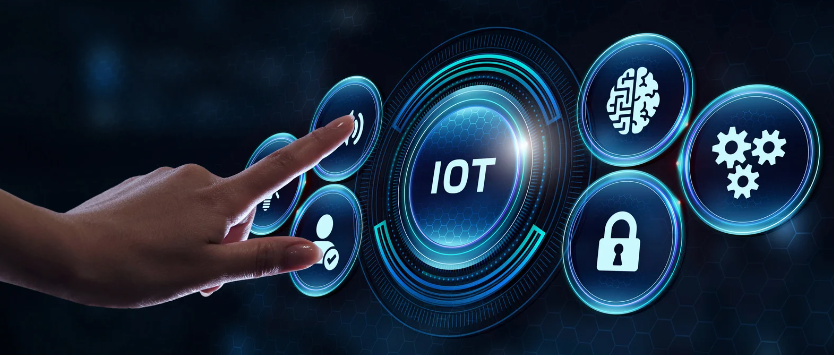
Internet of Things (IoT) Fundamentals is a foundational course designed to introduce learners to the core concepts, architecture, technologies, and applications of the Internet of Things (IoT). The course focuses on how everyday physical objects (sensors, devices, machines) connect and communicate over networks to collect, share, and act on data without requiring direct human intervention.
Key Focus Areas:
-
Introduction to IoT Concepts: Definition, characteristics, and evolution of IoT; roles of sensors, actuators, and connectivity.
-
IoT Architecture & Design: Functional blocks of IoT systems and typical IoT layers (device, network, cloud).
-
Core Technologies: Communication protocols (Wi-Fi, Bluetooth, MQTT, etc.), embedded systems basics, microcontrollers (like Arduino/Raspberry Pi), and networking fundamentals.
-
Data Processing & Cloud Integration: How IoT data is captured, transmitted, stored, processed, and visualized (local/edge/cloud-based).
-
Practical Skills: Hands-on exercises including sensor interfacing, IoT programming, networking setup, and real-world mini-projects.
-
Challenges & Considerations: Security implications, interoperability, scalability, and privacy concerns in IoT environments.
Learning Outcomes:
By the end of this course, learners will be able to:
-
Understand what IoT is and its role in the modern connected world.
-
Identify and describe the components of an IoT ecosystem.
-
Apply basic design principles to build simple IoT solutions.
-
Demonstrate practical competency in IoT hardware, sensors, programming, or networking tasks.